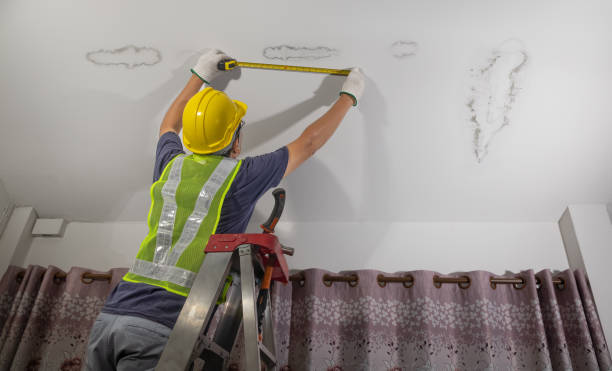
24/7 emergency water response, every day of the yearIndependent licensed & insured pros · Call +1-877-637-9008
24/7 Emergency Dispatch

Water Damage Restoration in Franklin Grove, IL

Every real water loss runs in phases, from emergency mitigation through reconstruction, with the insurance carrier watching each one. Water Heater Repairer routes you to a licensed and insured independent restoration contractor in Franklin Grove who can carry the whole project from first call to final walkthrough.

  • Licensed & insured independent pros
  • Mitigation through reconstruction
  • Insurance-ready documentation
Licensed Water Damage Restoration service in Franklin Grove, IL - Water Heater Repairer
One contact, start to finish. You should not have to referee between the drying crew, the rebuild crew and the adjuster.
Why This Line

Why Choose Our Specialized Water Damage Restoration in Franklin Grove, IL

The hardest part of a water loss is rarely the water. It is keeping the carrier, the contractor and your family on the same page for weeks.

Licensed & Insured Restorers

We route to independent firms that carry liability coverage and the license your area requires for both mitigation and rebuild. Many are IICRC-trained, so ask for credentials on arrival.

Rapid Local Mobilization

Speed on day one decides whether the loss stays small, so dispatch goes to a local firm able to roll out quickly.

Upfront Written Scopes

Each phase gets a written, line-itemed estimate in the format adjusters use, before anything beyond emergency work begins.

Documentation Built for Claims

The contractor keeps moisture maps, daily drying logs, photo sets and contents inventories, which is what adjusters ask for.

By the time most people call, they are a day or two in and already worn out. There is a drying company on one line, an adjuster who has not returned a call, and nowhere quiet to sleep. We connect you with one independent restoration firm that can own the project, so you have one name and one number to call.

The Full Lifecycle

Every Phase of the Restoration

The IICRC S500 standard frames water work as a sequence, and a good restorer follows that order and documents each step.

Emergency Mitigation Phase

The first phase stops the spread: source shut-off, water removal, wet pad removal and drying setup. It is billed separately from reconstruction on most claims.

  • Category 1, 2 and 3 assessment
  • Class 1 to 4 drying load
  • Controlled demolition

Pack-Out and Contents Storage

Furniture, clothing and personal items are photographed, inventoried room by room, boxed and moved to climate-controlled storage. The inventory becomes part of your contents claim.

  • Room-by-room inventory
  • Non-salvage lists with photos
  • Pack-back on completion

Sanitizing and Deodorizing

On Category 2 and 3 losses, affected materials get an EPA-registered antimicrobial before drying and before closing up. Lingering musty odor is handled with hydroxyl or thermal fogging when needed.

  • Antimicrobial on framing
  • Odor neutralization
  • HEPA vacuuming

Claim Documentation Support

Carriers pay on evidence, not descriptions. Restoration firms build a file with moisture maps, dated photos, daily drying logs and a line-item estimate written in the same estimating software format most carriers use.

  • Moisture maps and logs
  • Photo documentation
  • Line-item estimates

Reconstruction & Put-Back

Once drying goals are met and signed off, the same firm moves into rebuild: drywall, flooring, cabinets, trim and paint. Keeping it with one firm avoids a gap between phases.

  • Drywall and finish
  • Flooring and cabinetry
  • Final contents pack-back
How It Works

How a Restoration Project Runs

  1. 1

    Call Dispatch

    We ask where the water came from, how long it sat, and whether you have opened a claim yet. That tells us the likely category and which local firm to route you to.

  2. 2

    Rapid Mobile Arrival

    The restorer arrives, stops the source if it is still active, and starts emergency mitigation once you authorize it. Documentation photos begin before a single item moves.

  3. 3

    Expert Assessment & Quote

    The project lead maps moisture, classifies the loss by category and class, and writes a scope for mitigation, contents and rebuild. That scope goes to you and, with your permission, your adjuster.

  4. 4

    Resolution & Sign-Off

    Drying goals are confirmed, rebuild wraps up and your belongings are returned. You do a final walkthrough and sign off when the work meets the scope.

A Word on Assignment of Benefits

On the first visit, some firms present an Assignment of Benefits, often called an AOB. An AOB can transfer your rights under the claim to the contractor, including the right to negotiate and get paid directly by your carrier.

That is not automatically bad, but you should understand it before signing. A basic work authorization for emergency services is not the same thing as an AOB. Read the whole form, ask what each part means, and check with your insurer if you are unsure.

Dispatcher tip: Take photos of every room, every damaged item and the water source before anyone starts. Your own photos back up the restorer's file.
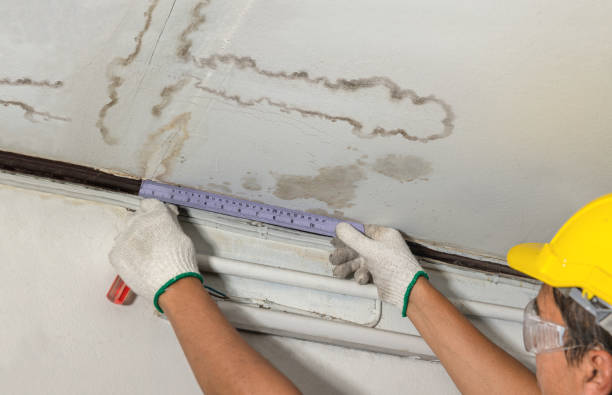
Professional Water Damage Restoration technician working in Franklin Grove, IL
Know Your Loss

Water Categories and Drying Classes

Your adjuster and restorer will talk in these terms, so it helps to know what they mean.

TermWhat it means for your project
Category 1Clean water from a supply line or tap, usually the simplest to restore
Category 2Gray water from appliances or overflow, which calls for antimicrobial treatment
Category 3Grossly contaminated water where porous materials are typically torn out
Class 1 to 4The drying load, ranging from a small area up to dense materials like hardwood and plaster
24/7 Emergency Water Damage Restoration experts in Franklin Grove, IL

Clean water left standing for a couple of days can shift to Category 2, which changes what gets removed. That is the practical reason speed on day one matters.

Class matters just as much for the schedule. A Class 1 loss in one bathroom may dry in a couple of days, while Class 4 losses in hardwood, plaster or concrete need specialty setups and more time. The restorer should explain both ratings in plain language and write them into the file.

Managing Carrier, Contractor and Family

A good project lead updates the adjuster, chases phase approvals and gives you a realistic move-back date. Ask at the first visit who that person is and how often you will hear from them. A vague answer to that question is a warning sign.

Tired of Juggling Three Companies?

Call and get routed to a local restorer who manages every phase.

Call +1-877-637-9008
Caller Stories

What Callers Said After Move-Back

The water heater split while we were away for a long weekend, and we came back to wet carpet in four rooms. The restoration firm packed out our furniture, sent the inventory straight to our adjuster and kept us updated through the hotel stay. Having one project manager made a miserable month bearable.

Priya N.Homeowner, Franklin GroveWater heater failure

The first company that showed up pushed an AOB at me before they had even looked at the damage. The firm this line sent gave me a plain work authorization for emergency drying and walked me through the scope. It felt like the claim was still mine.

Walt S.Homeowner, Franklin GroveDishwasher overflow

We had a toilet overflow from the upstairs unit come through our ceiling, so it was Category 3 from the start. The crew tore out the wet ceiling and insulation, applied antimicrobial, and their drying logs ended a dispute with the HOA insurer.

Jasmine O.Condo owner, Franklin GroveCategory 3 ceiling loss

A clogged roof drain at my small office building dumped water into the reception area overnight. The restorer worked around patient hours, kept the drying equipment in the back rooms first, and had the rebuild done in phases so we never fully closed.

Dr. Alan K.Business owner, Franklin GroveCommercial restoration
Restoration Questions

Questions About the Full Process

What is the difference between mitigation and restoration?

Mitigation covers the urgent steps that halt the damage, like extraction, removing wet materials and drying. Restoration is the broader project that includes mitigation plus reconstruction, so the home ends up back to its pre-loss condition.

Should I sign an Assignment of Benefits?

That is your decision, and you should read the entire document first. An AOB may transfer control of your claim to the contractor. If you are not sure, ask for a standard work authorization instead and call your carrier.

Will my insurance company accept the restorer's estimate?

Carriers generally review line-item estimates built in the software format they already use, so it compares cleanly. Differences get worked out with supporting photos, moisture maps and drying logs.

What happens to my furniture and belongings?

Salvageable contents are inventoried, packed and stored off site, then returned at the end. Anything that is a loss gets photographed and listed for the claim before it is discarded.

Do I need to move out during restoration?

That depends on the water category and whether you still have a working kitchen and bathroom. Plenty of policies pay additional living expenses, so bring it up with your adjuster right away.

How long does a full restoration project take?

The dry-out phase often takes several days, while reconstruction and pack-back can add a few weeks. The biggest swing factors are claim approvals and how long materials take to arrive.

Service Area

Restoration Coverage Around Franklin Grove

Contractors we route to work across Franklin Grove and nearby communities, from single-family homes to condos and storefronts. Coverage reaches zip codes such as 61031.

Across Franklin Grove Itself

Older homes with plaster walls and hardwood, where Class 4 drying is common.

Condos & Multi-Unit

Buildings where a single leak involves several owners and the HOA carrier.

Nearby Suburbs

Newer homes with finished basements and large open floor plans.

Reliable Water Damage Restoration contractor in Franklin Grove, IL by Water Heater Repairer

Call Water Heater Repairer to reach a single restorer who handles the whole loss.

Call +1-877-637-9008

Our Services in Franklin Grove, IL

Call +1-877-637-9008
🟢 Techs On Duty in Franklin Grove, IL Call +1-877-637-9008